In the Community

Showing Up. Listening.Staying Connected.

I have always believed that public service happens in the community, not just at the dais.

These connections help me understand the communities I serve—and bring their perspectives back into public decision-making.

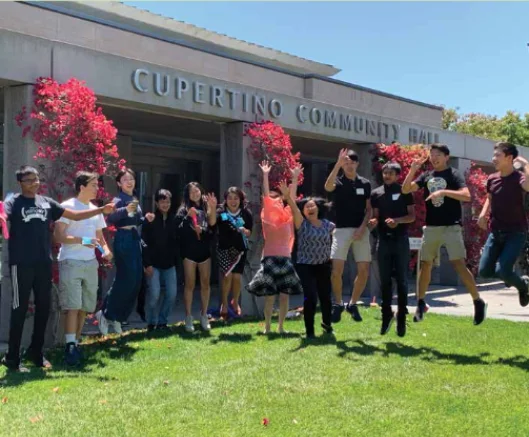
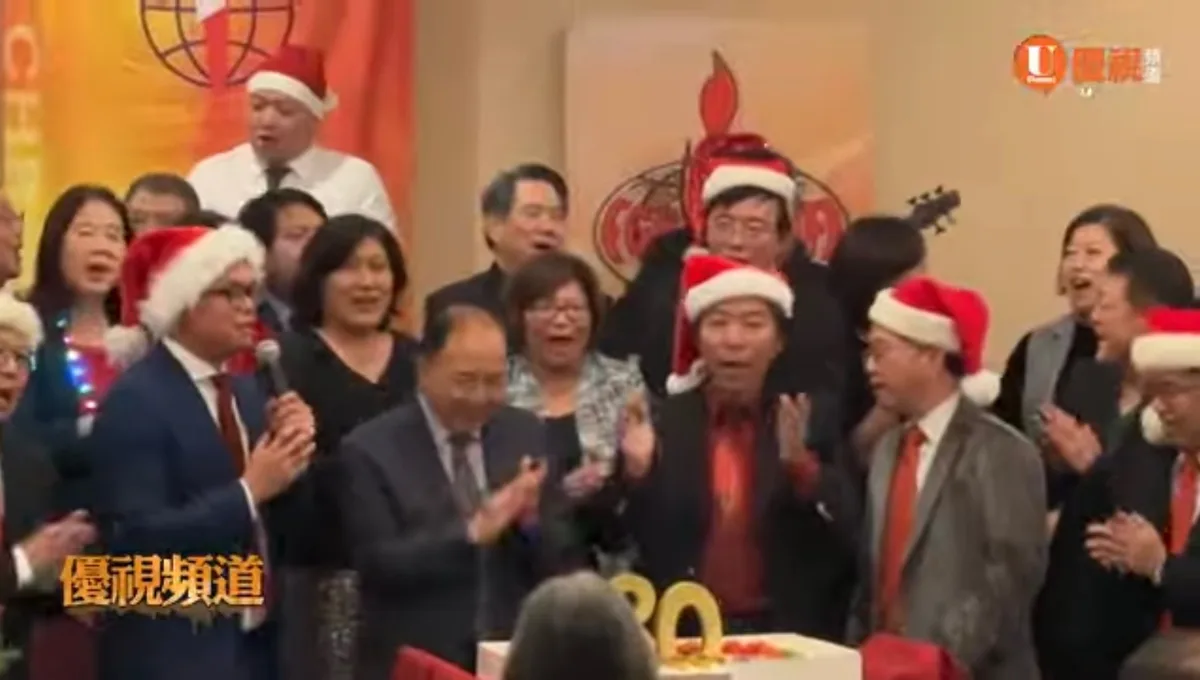
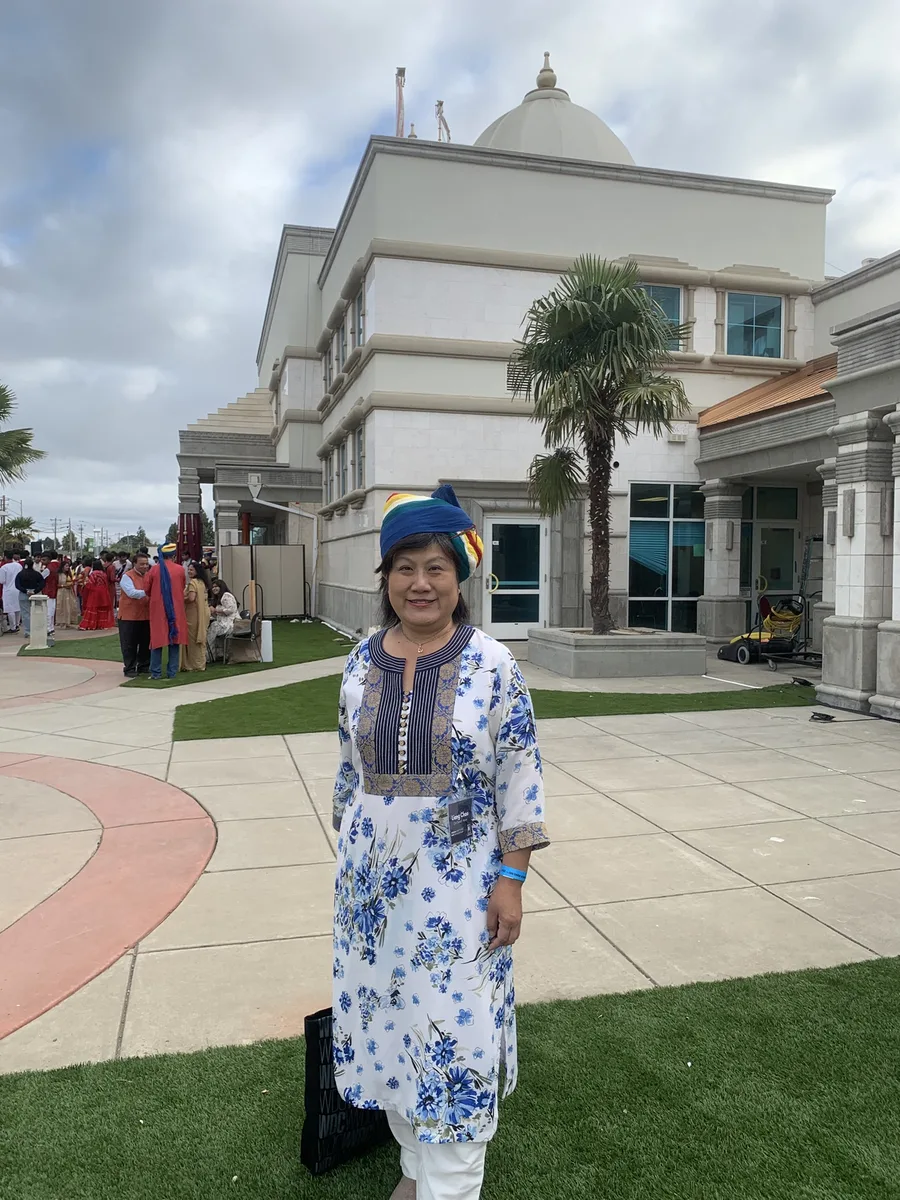
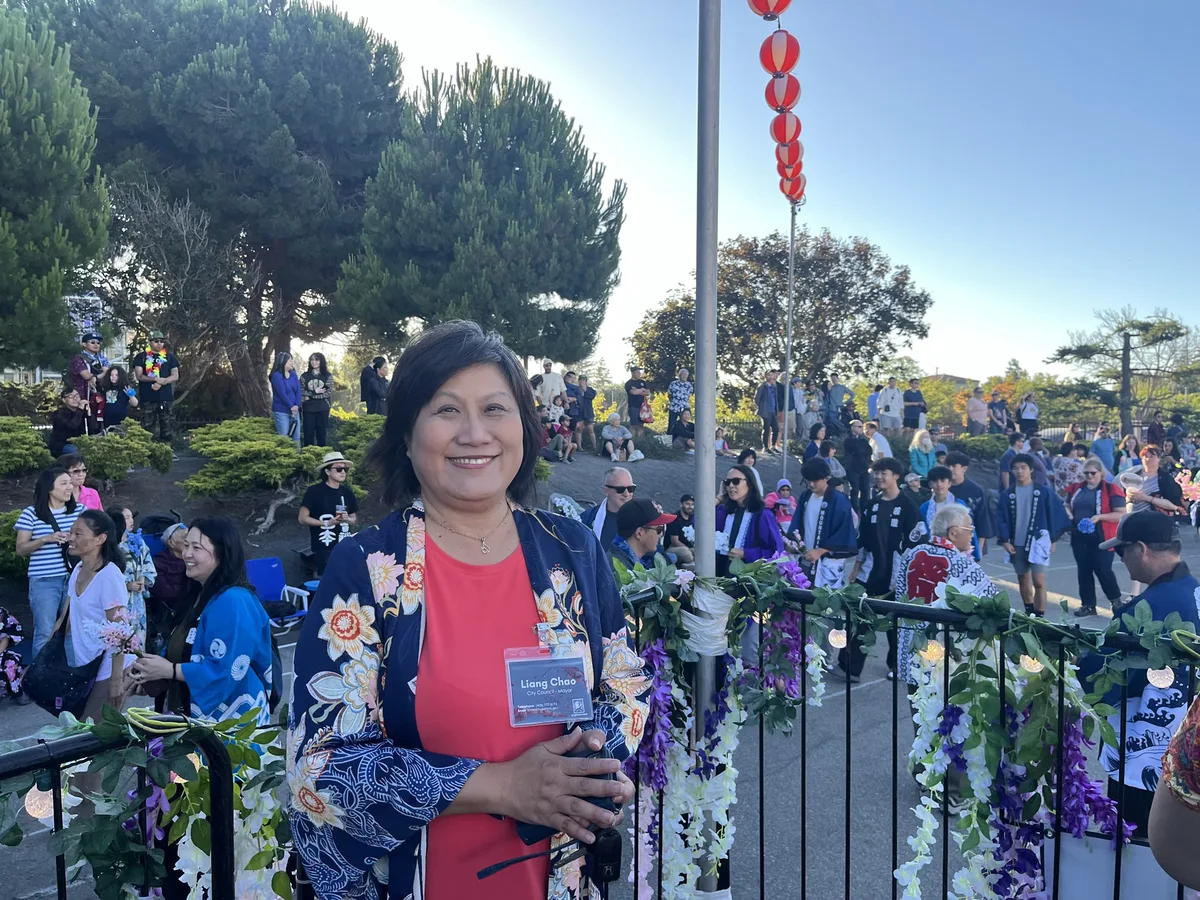
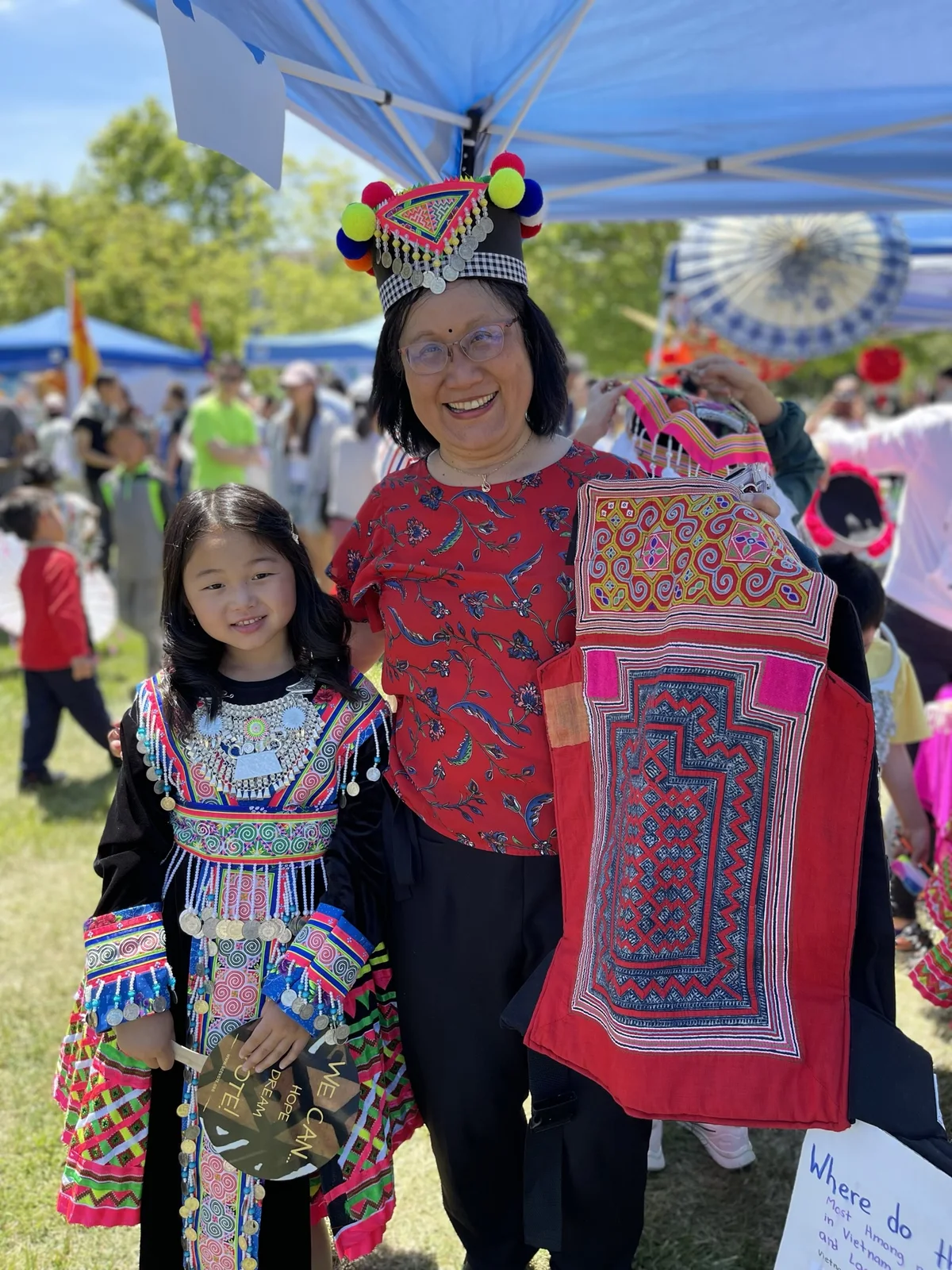
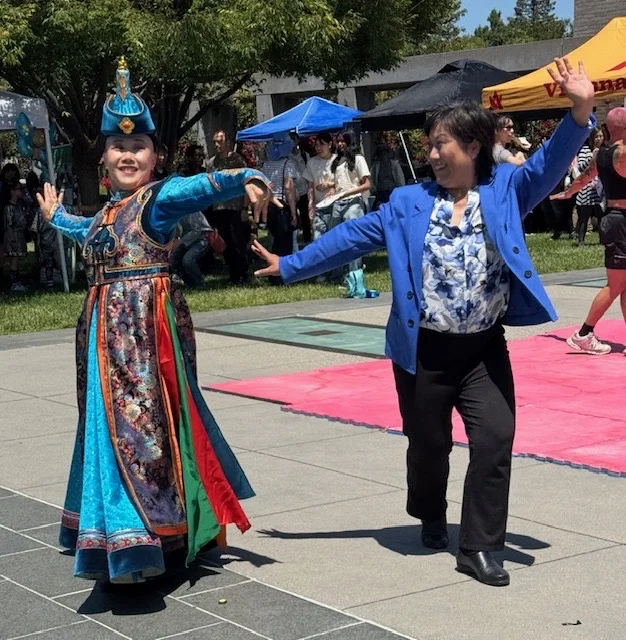
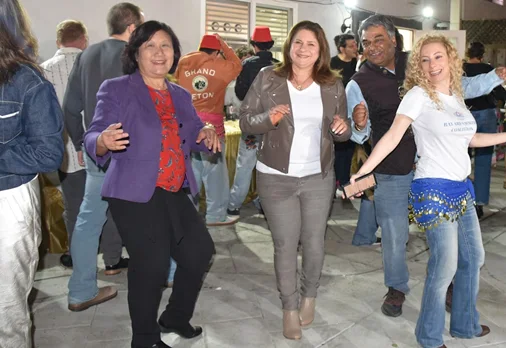
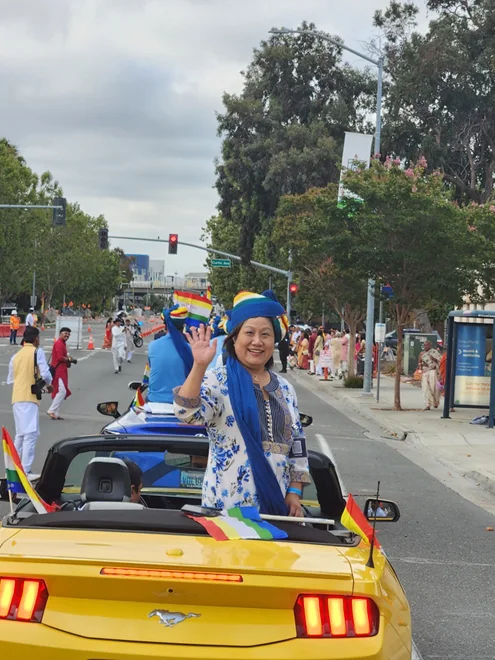
Liang Chao celebrating at a community gathering
Celebrating with the Community

At a Glance

01

Education & Youth

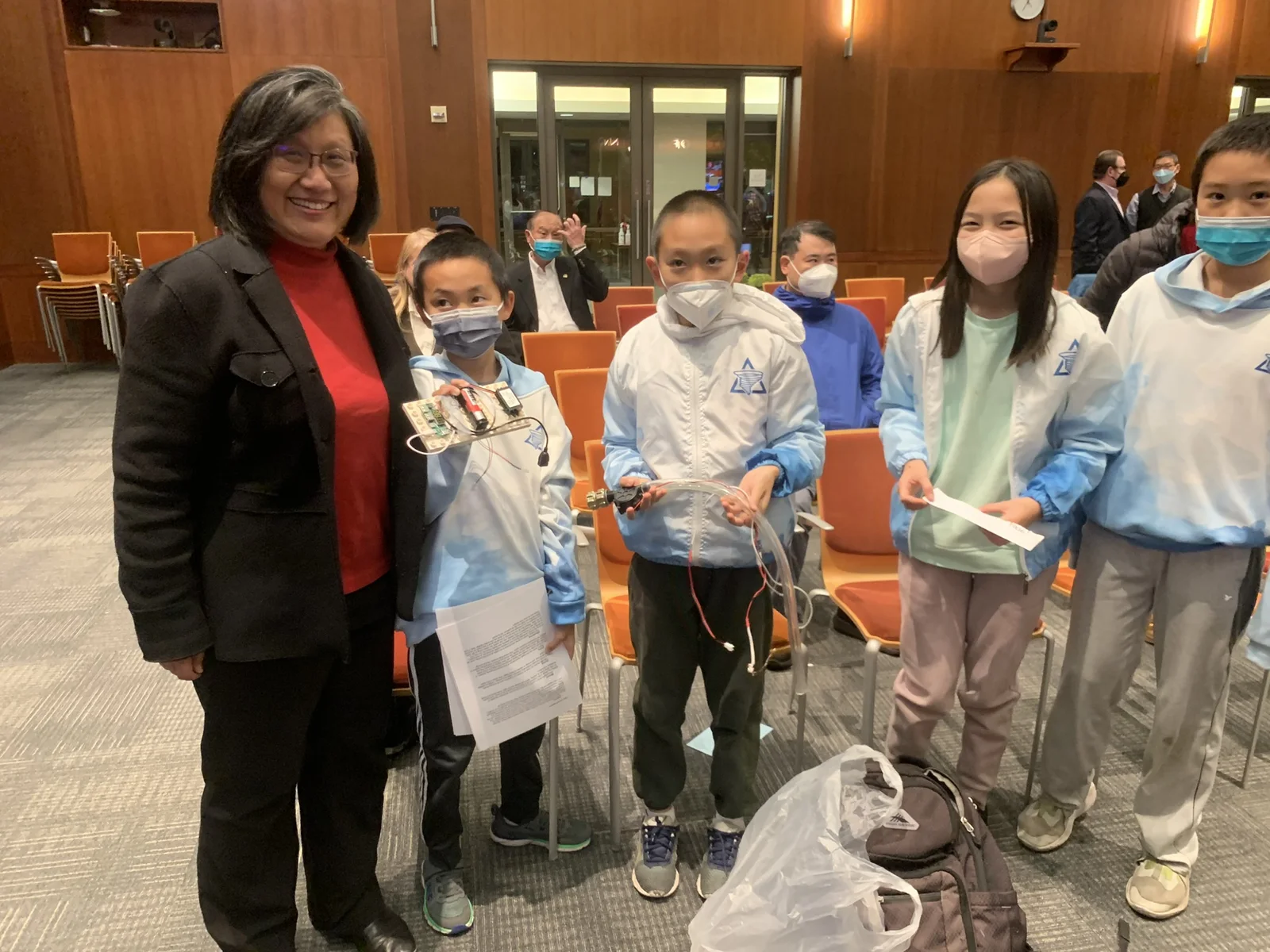
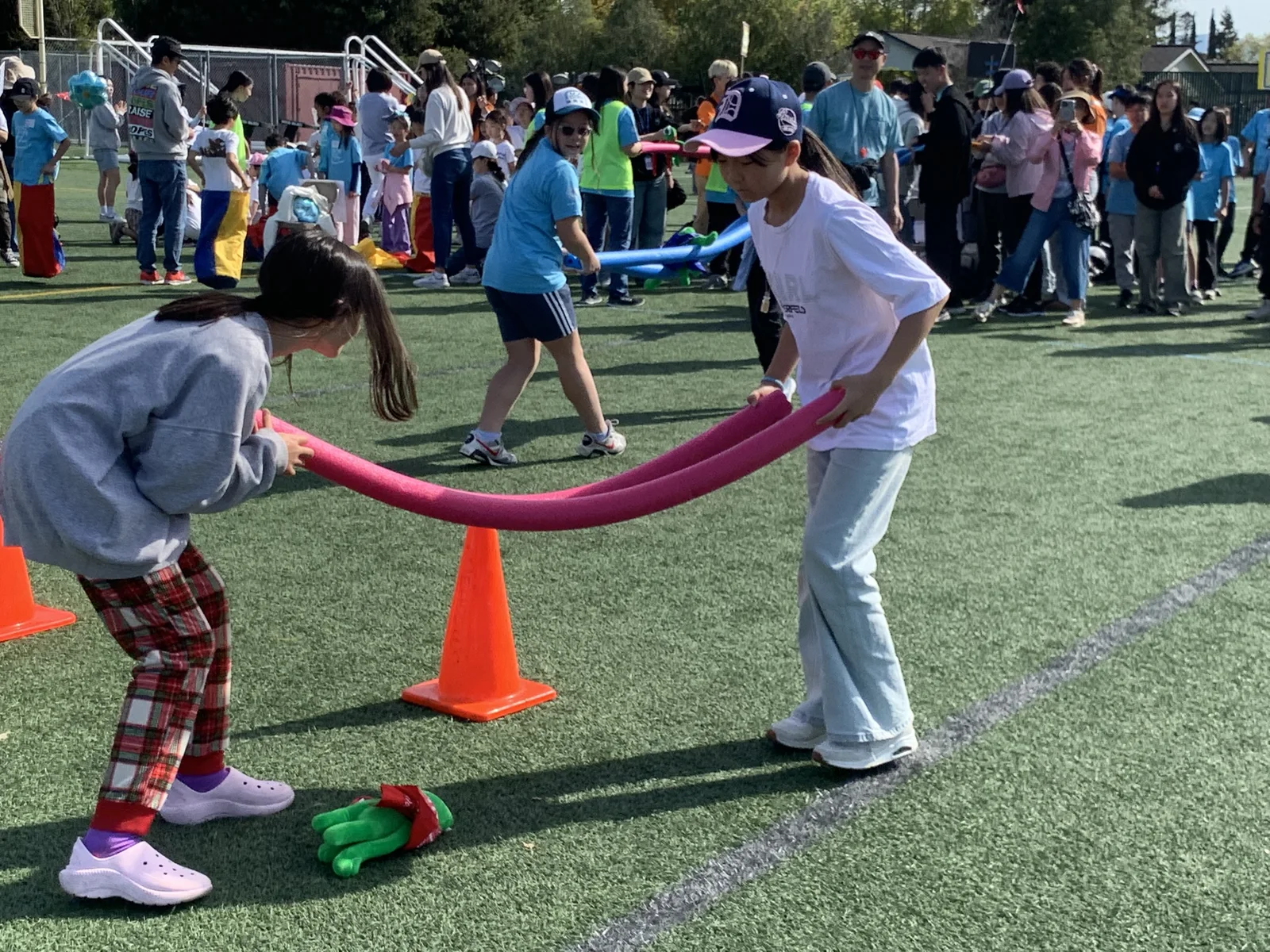
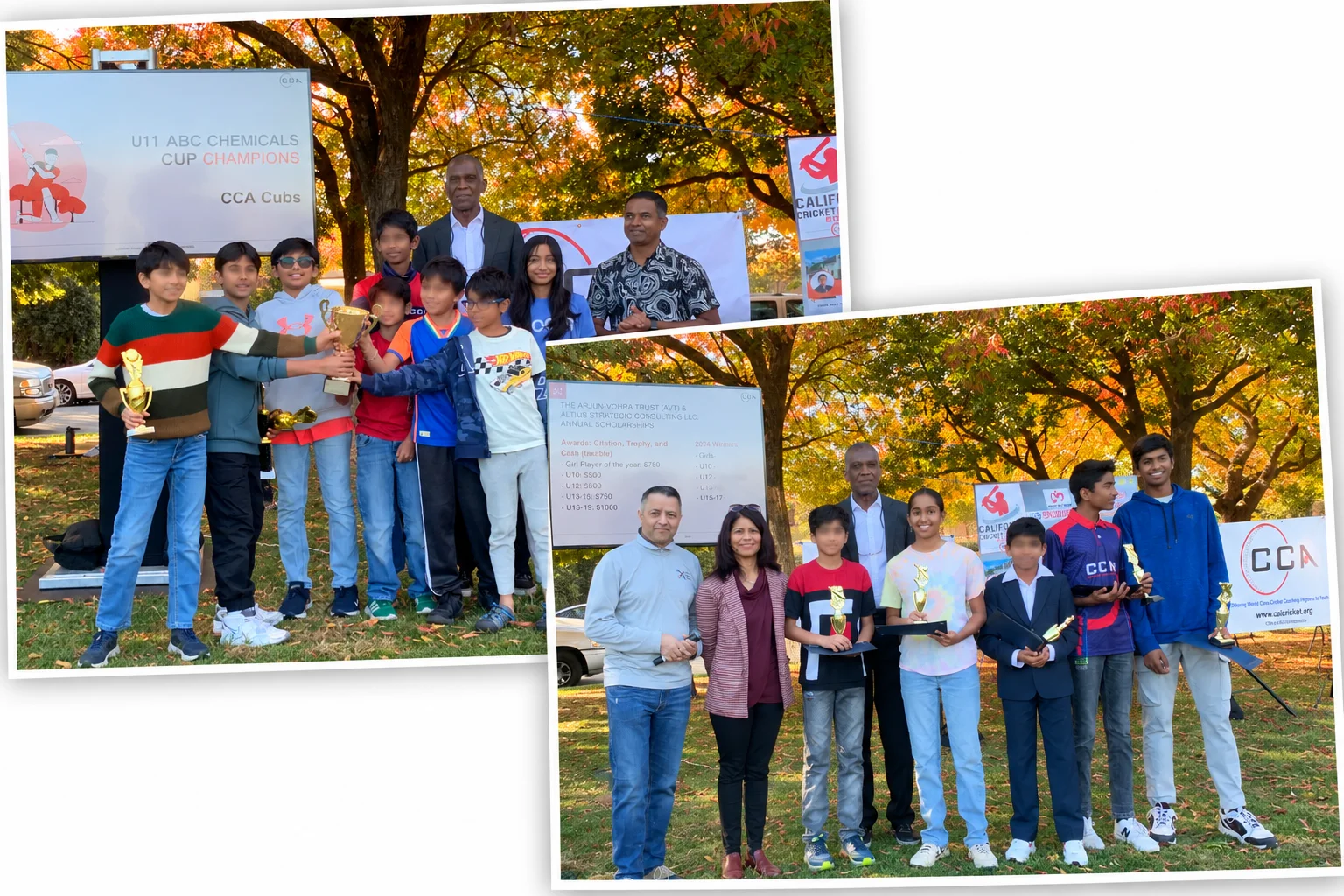
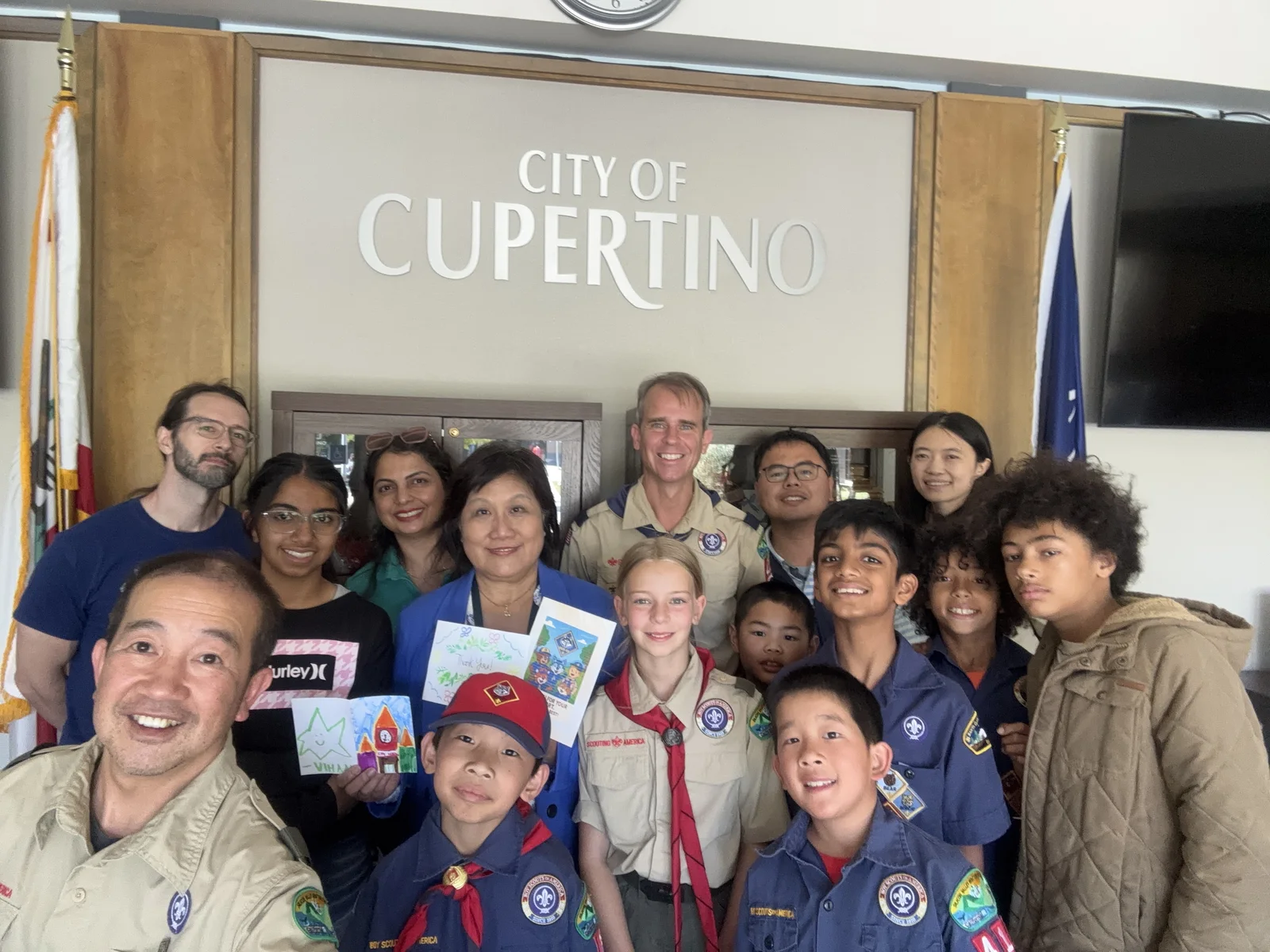
I have engaged with students and families, school districts, foundations, student groups, youth organizations, Little League, and local scouting organizations.

02

Service, Health, Disability & Inclusion

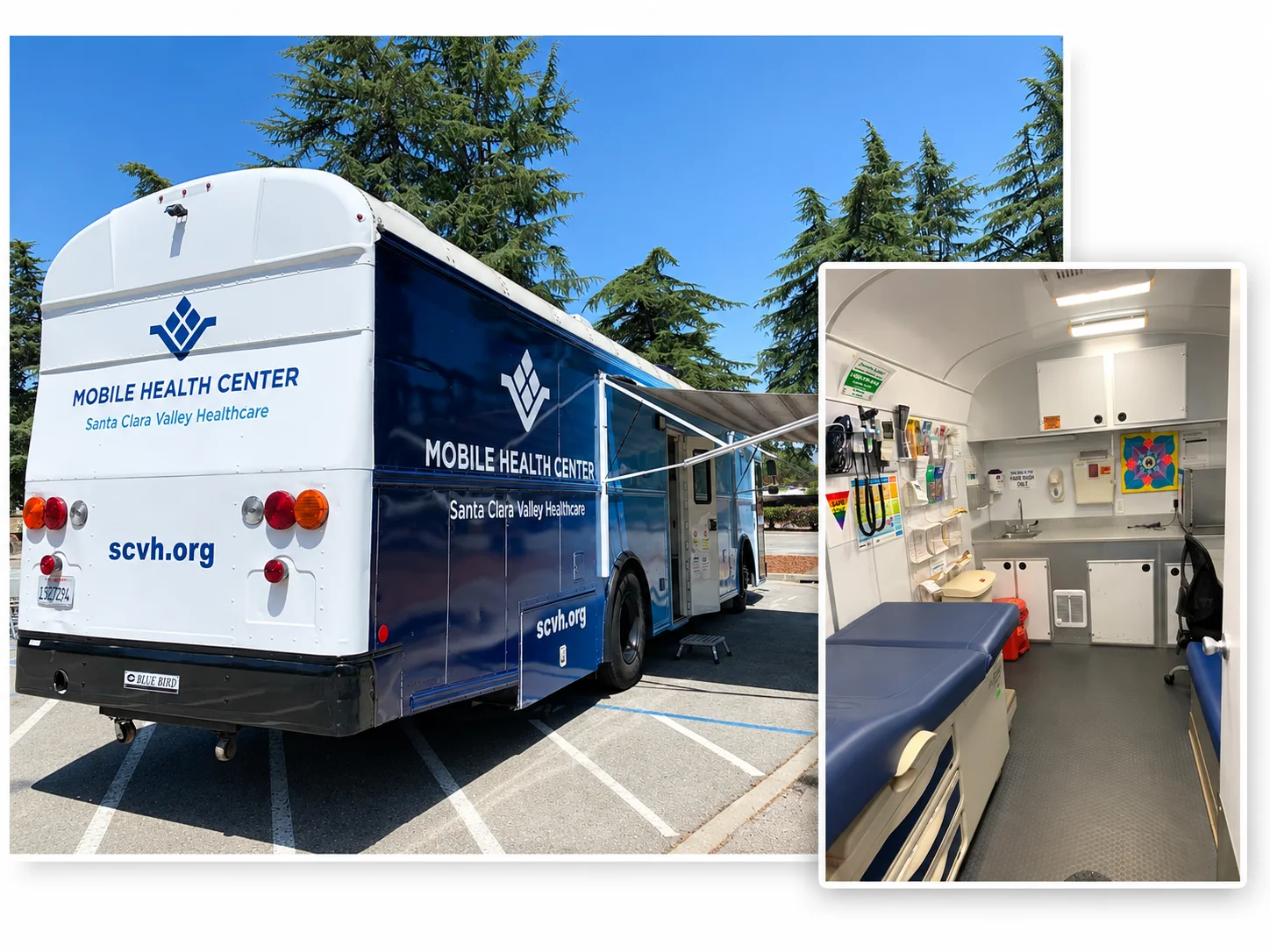
I have engaged with organizations serving people with disabilities, seniors, families in need, and residents seeking health, housing, employment, or other support.

03

Arts, Media & Creative Community

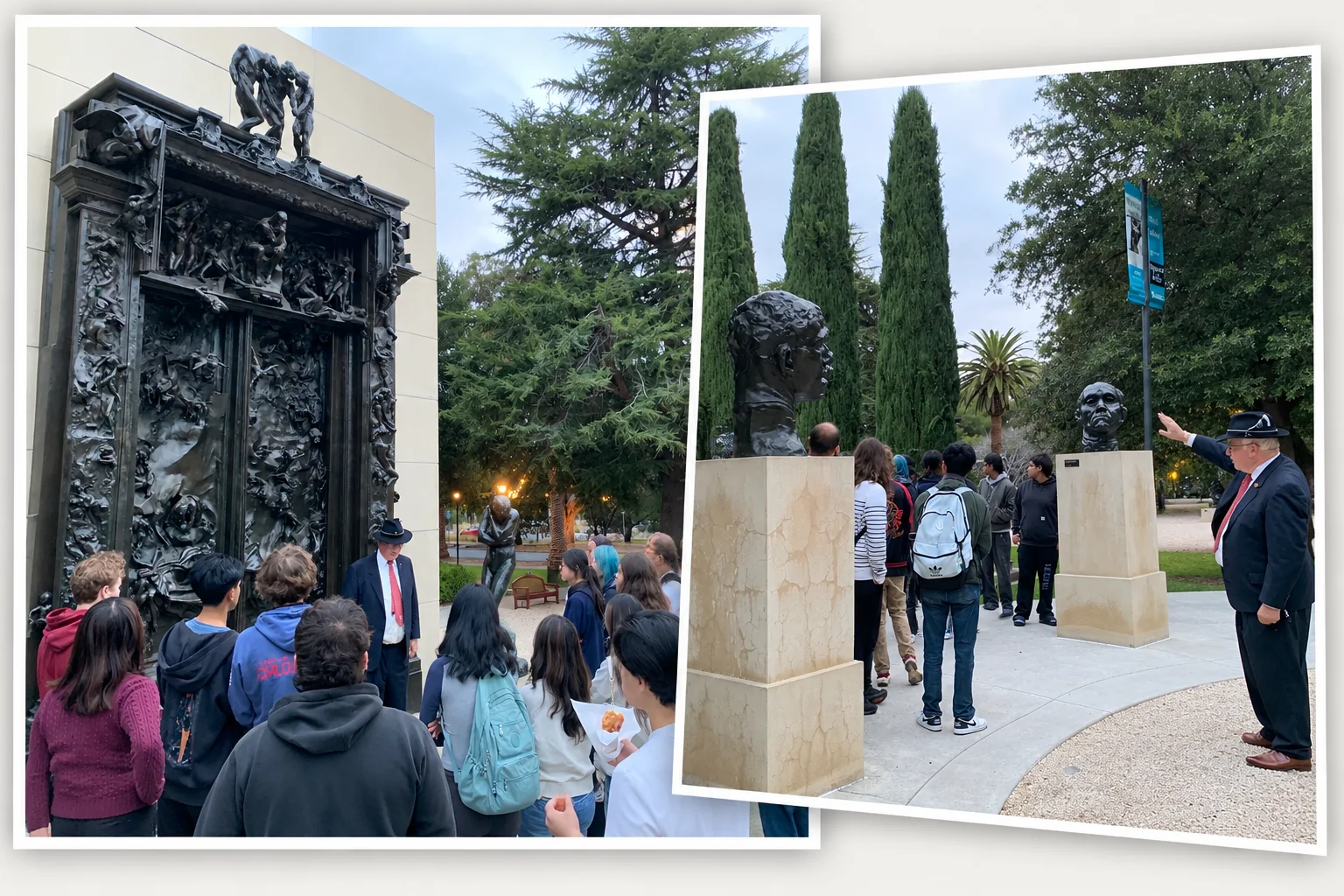
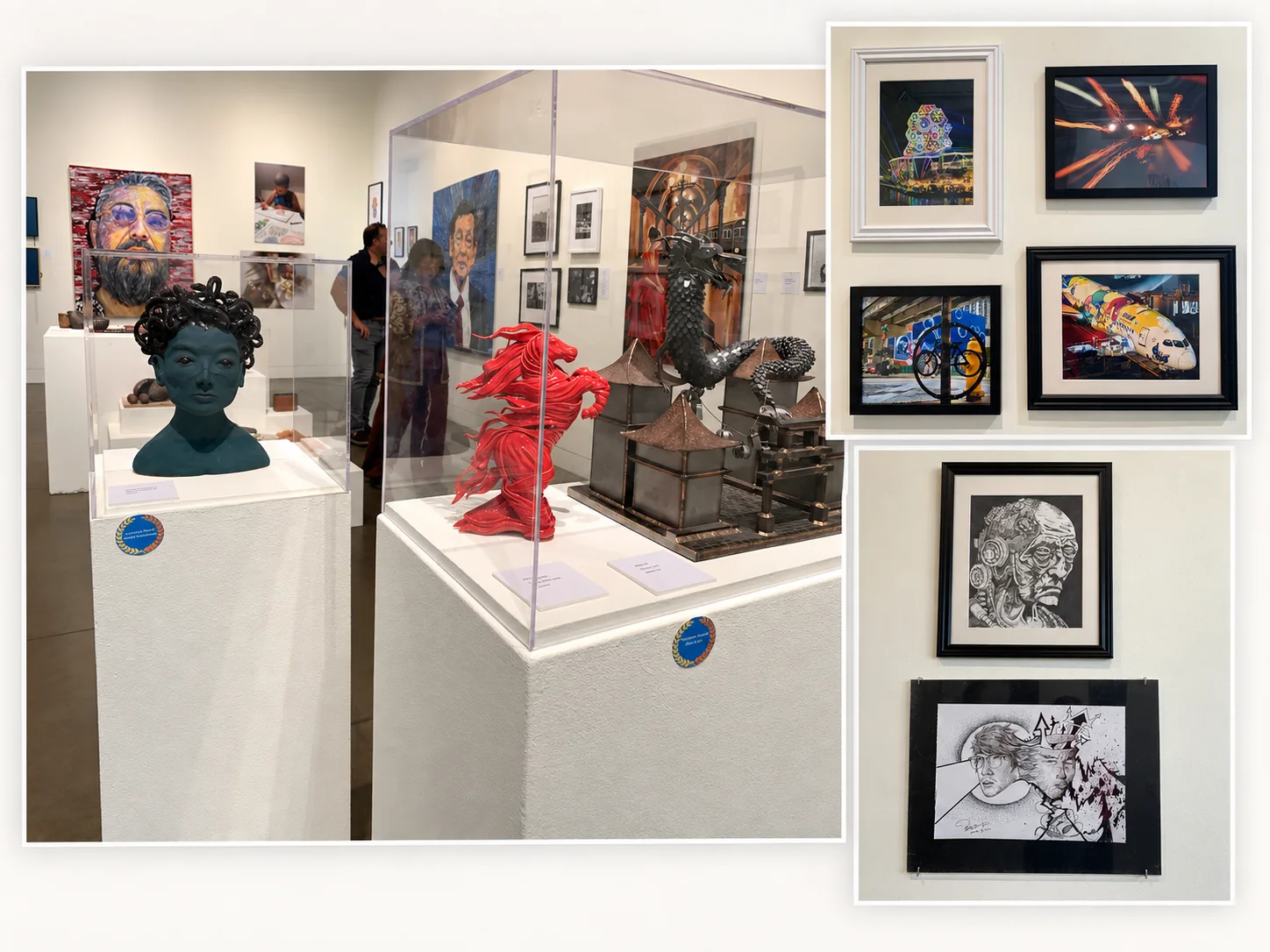
My connections include the Euphrat Museum of Art at De Anza College, local arts centers, bands, performance groups, media organizations, and community storytelling efforts.

04

Neighborhoods & Community Life

I meet residents where issues are happening and stay connected with neighborhood leaders, watch groups, emergency volunteers, senior communities, and grassroots organizations.

05

Civic, Environmental & Community Advocacy

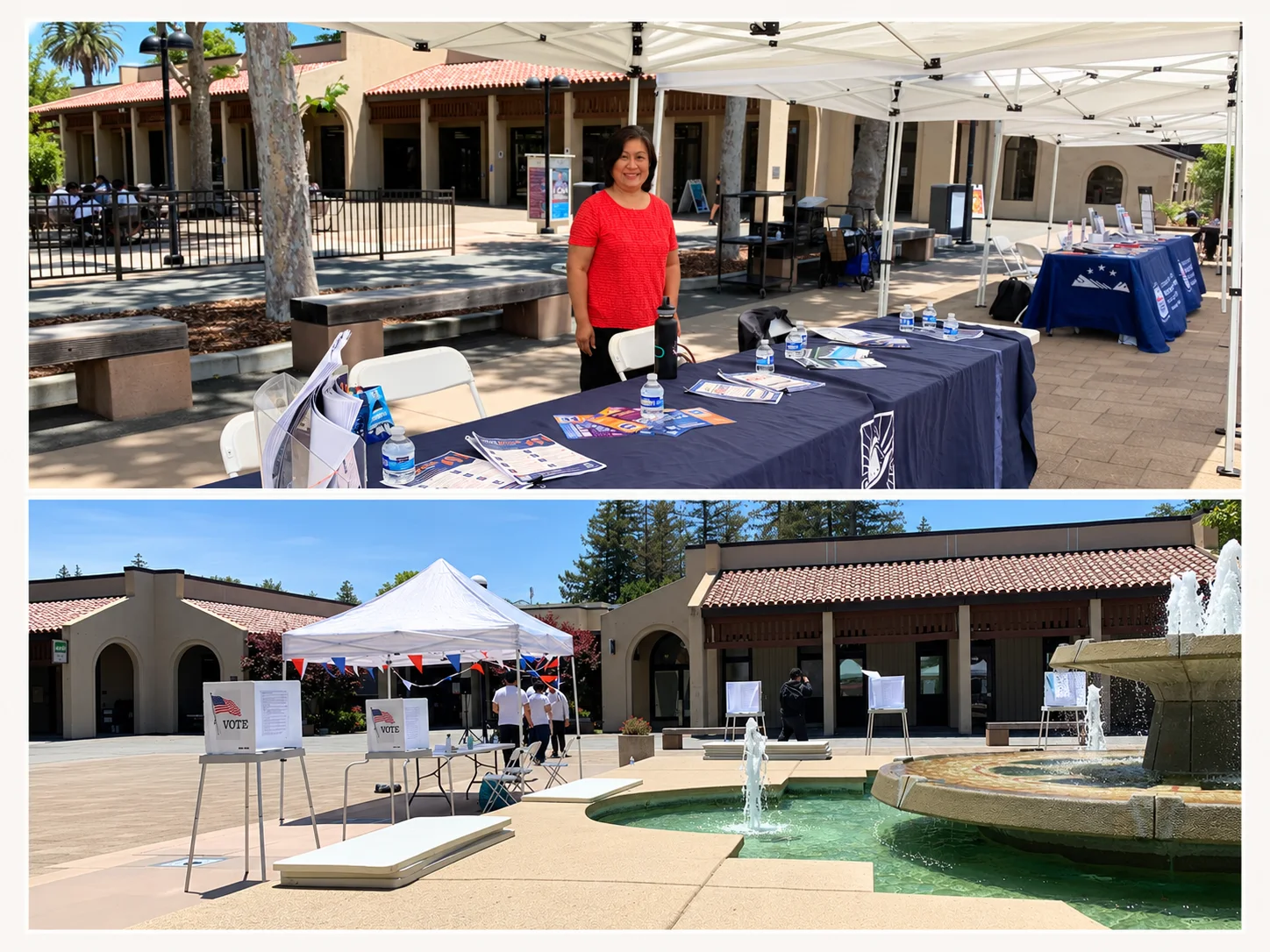
I engage with civic and environmental organizations and listen to different perspectives as an essential part of representative government.

06

Faith Communities

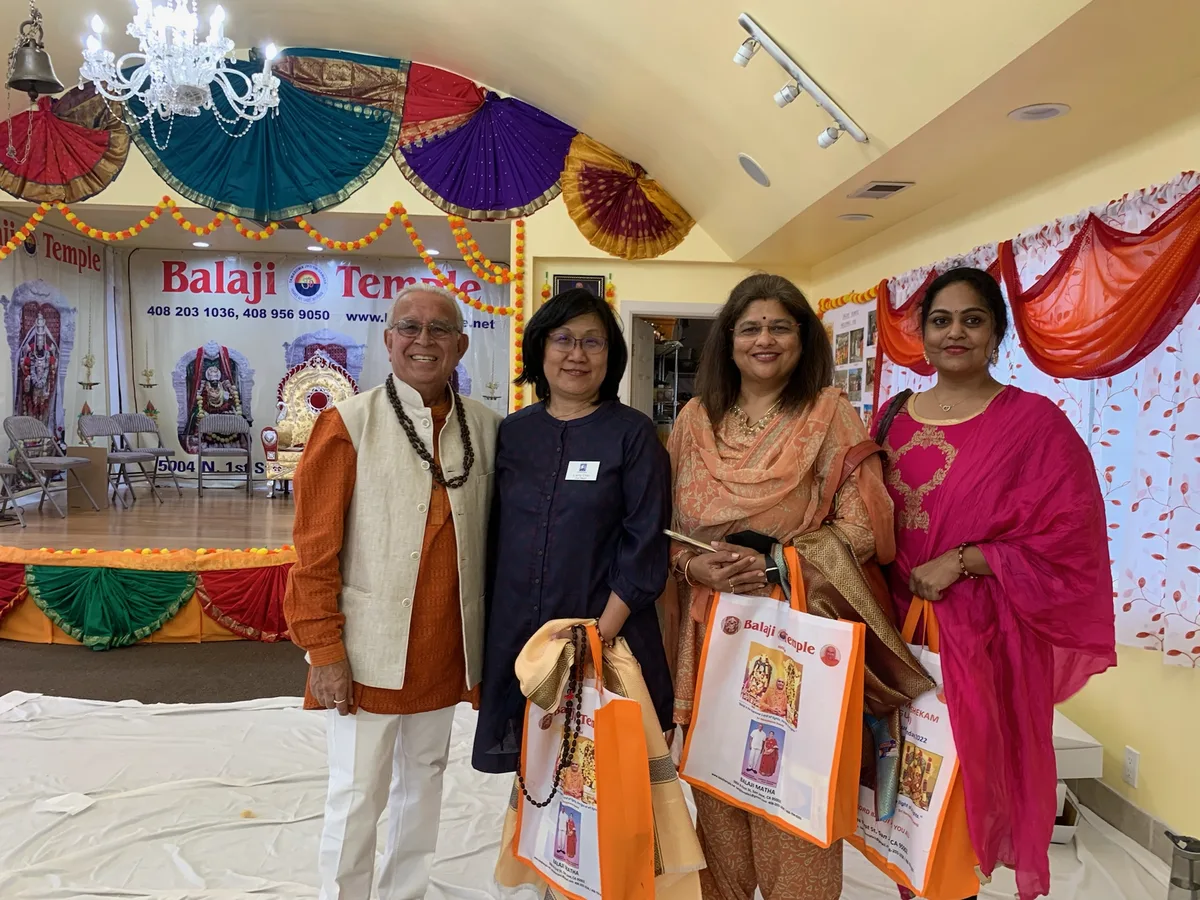
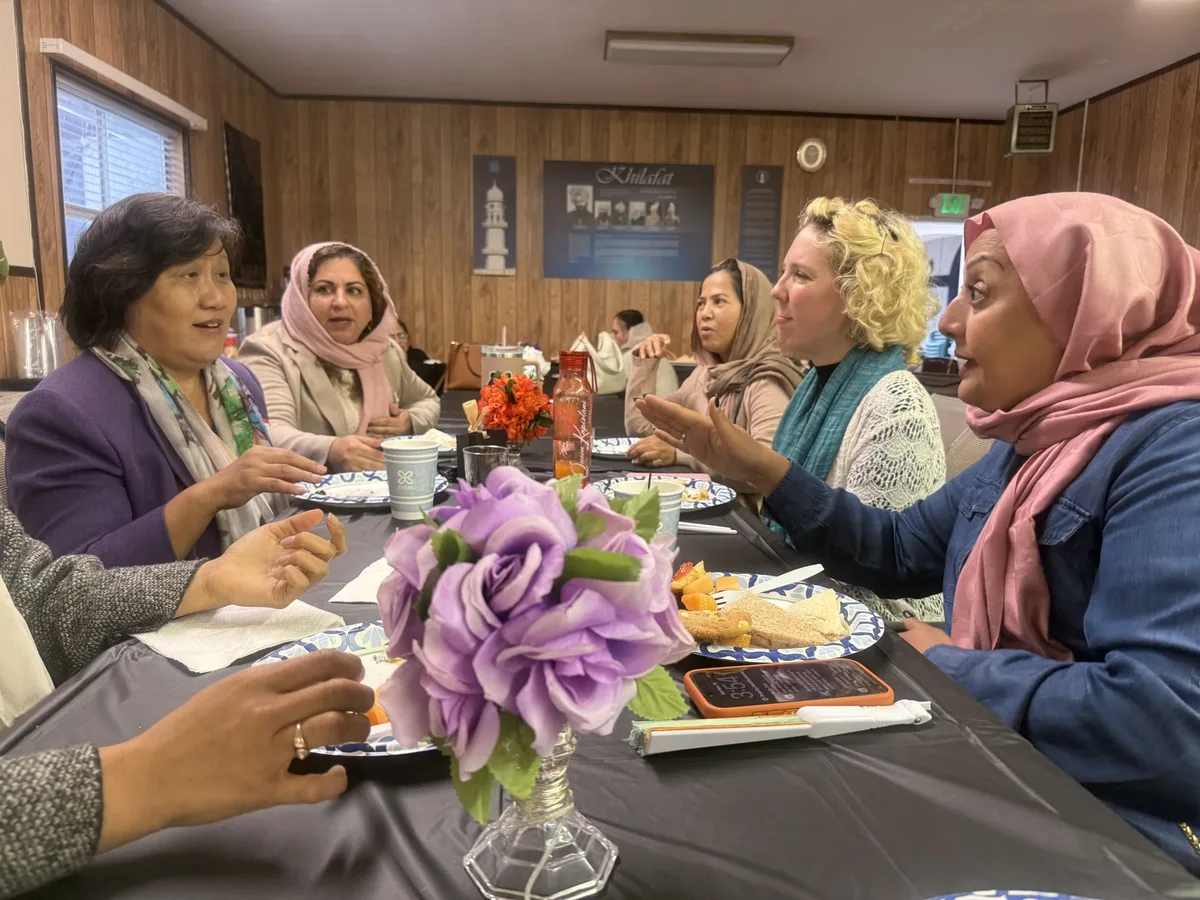
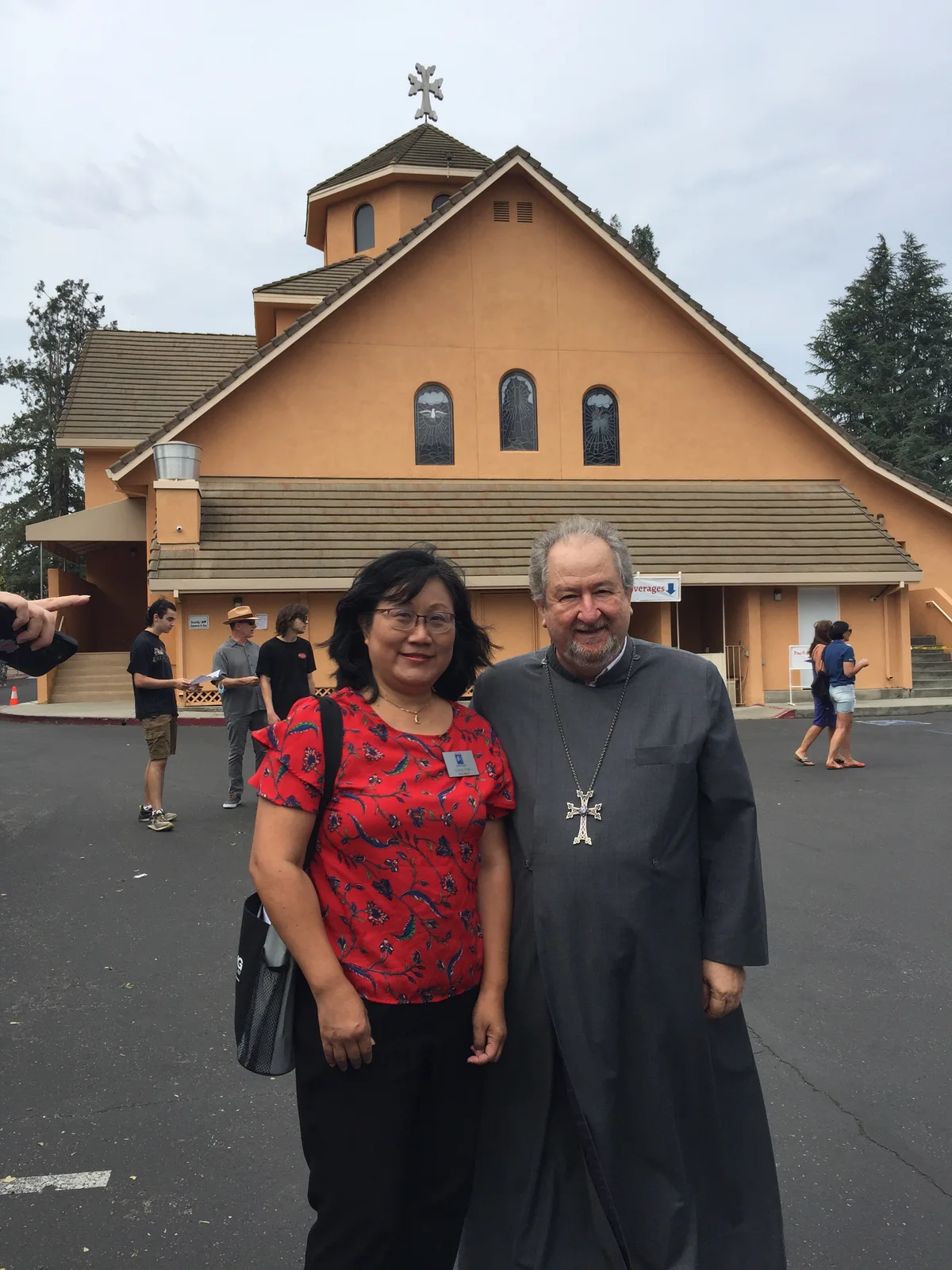
I value opportunities to visit and learn from Muslim, Christian, Buddhist, Hindu, Jain, Jewish, Armenian, and other faith communities.

07

Cultural & International Communities

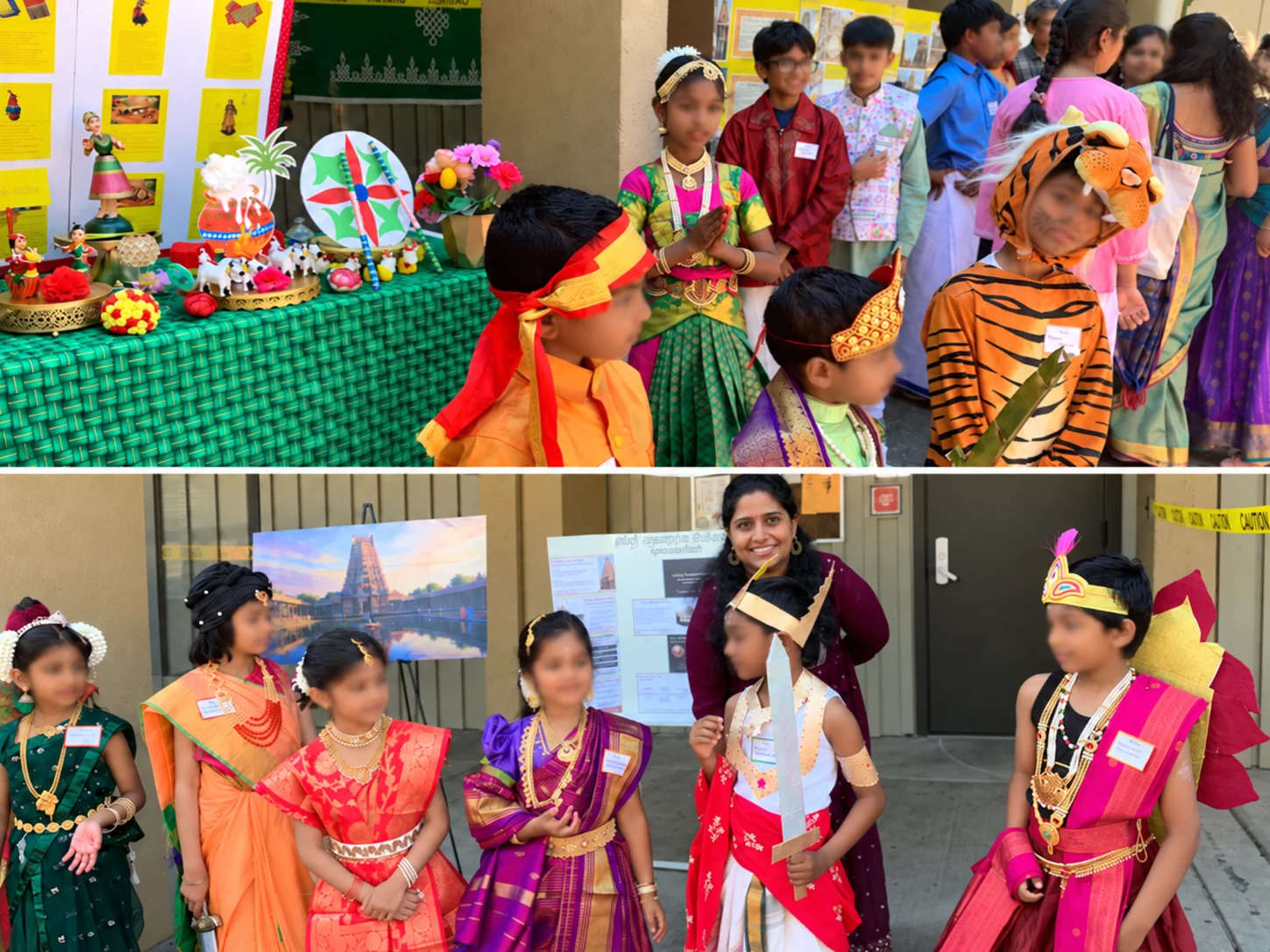
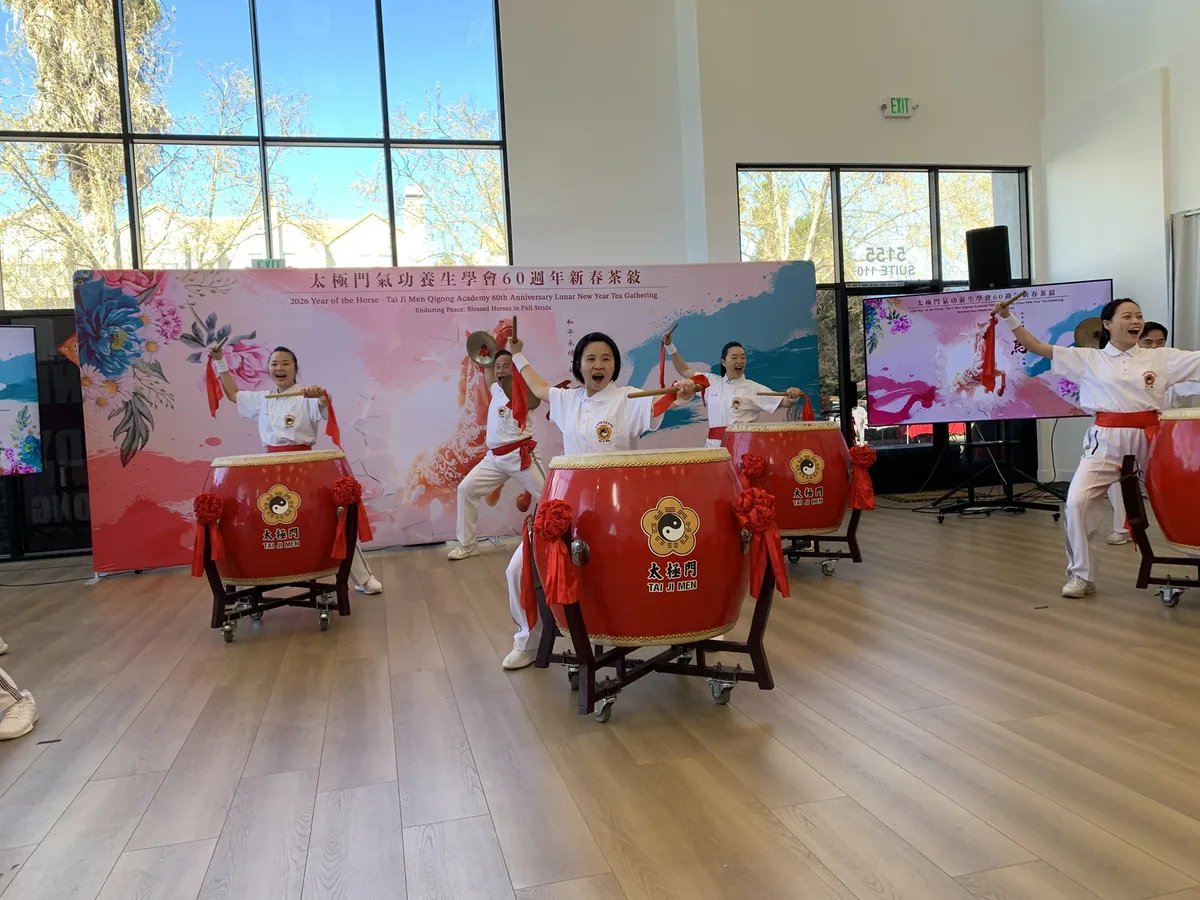
Our diversity is one of our greatest strengths. I stay connected with cultural, heritage, multicultural, sister-city, and international organizations.

08

Business, Technology & Professional Community

Connections with businesses, entrepreneurs, employers, chambers, and technology leaders help me understand changing workforce needs and opportunities for internships, apprenticeships, mentorships, and career pathways.

A Community Connected to Our Colleges

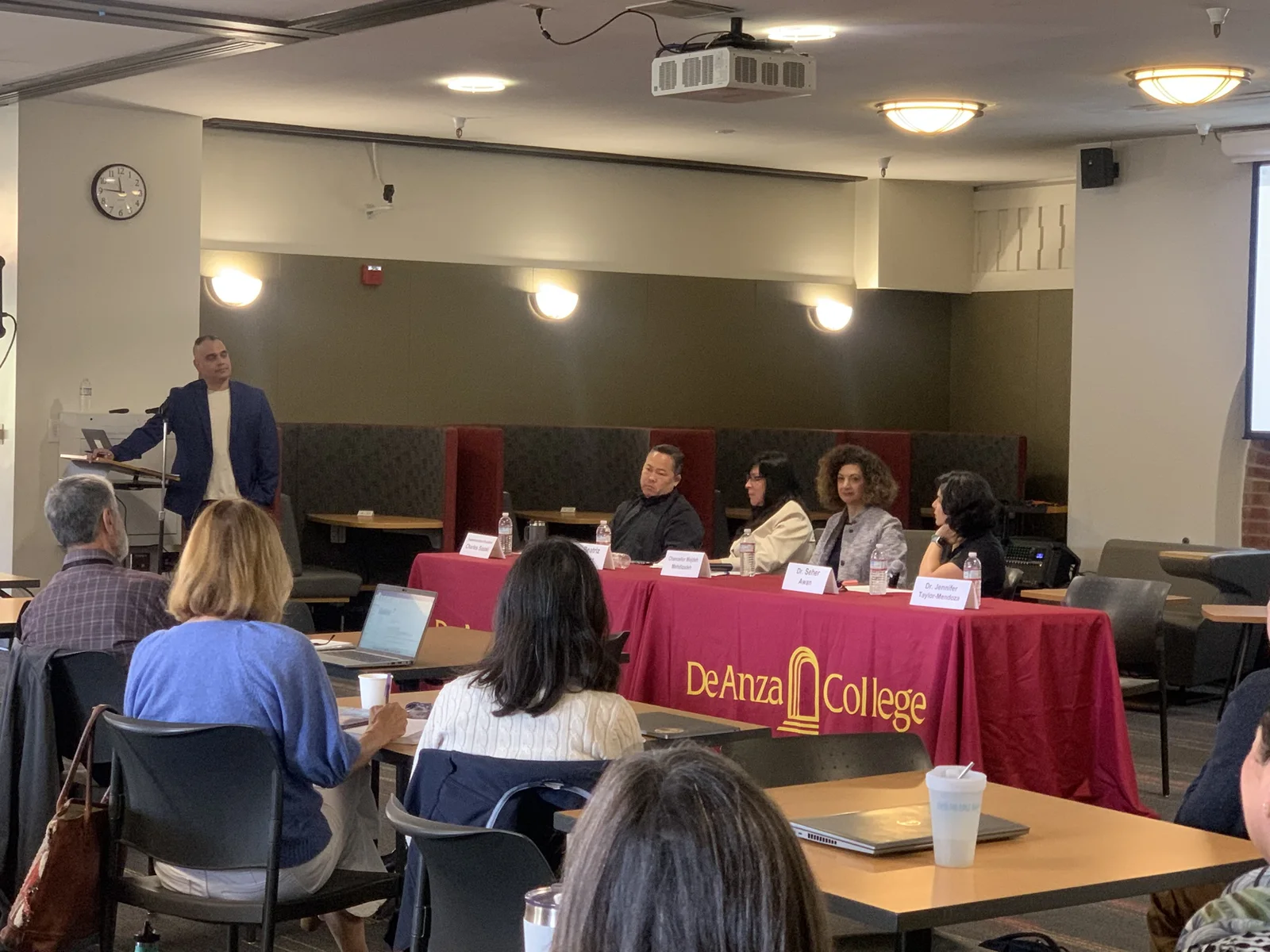
Our colleges should not be islands. They should be connected to K–12 schools, neighborhoods, employers, nonprofits, cultural and faith communities, seniors, people with disabilities, and residents who simply want to keep learning.